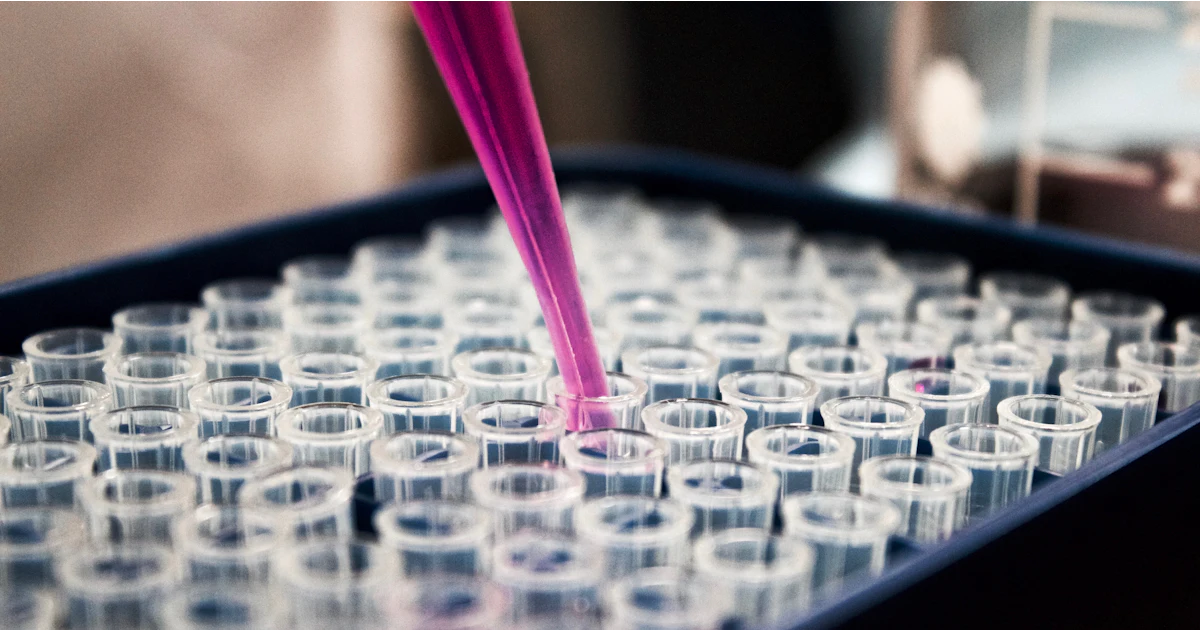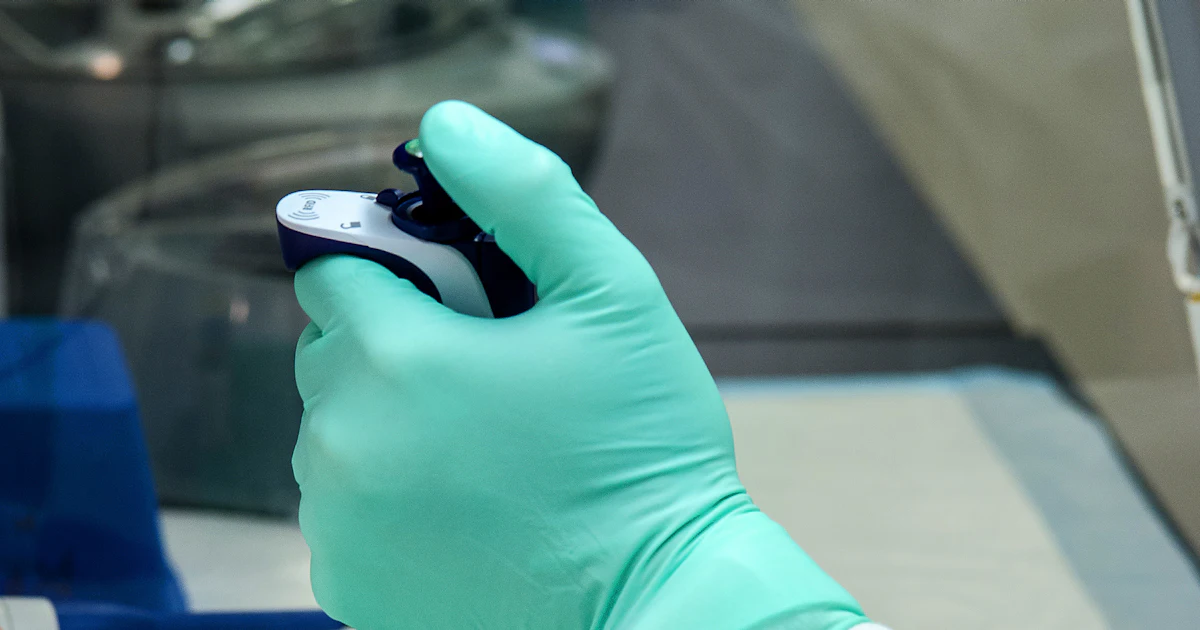
Short answer: pour a little calibration standard of known value, commonly 1.41 mS/cm, into a clean cup, dip the rinsed probe, and set the meter to match the standard’s value (Oklahoma State University Extension). Then rinse the probe again.
Why calibration matters
Conductivity meters drift over time as the probe ages or gets coated. A meter that reads 0.3 mS/cm high will lead you to mix a weaker solution than you think. Calibration resets it against a known reference.
Step by step
- Rinse the probe in distilled water and shake it dry.
- Pour a small amount of standard into a clean cup. Do not dip the probe into the bottle, which contaminates the rest.
- Let it reach room temperature. Standards are rated at a reference temperature, usually 25 °C. Meters with automatic temperature compensation handle small differences.
- Dip the probe and wait for the reading to settle.
- Adjust the meter to the standard’s value, using its calibration button or screw as the manual describes.
- Rinse the probe and throw away the used standard.
Which standard to use
Choose a standard close to the readings you take. For Kratky solutions in the 1–2 mS/cm range, a 1.41 mS/cm (1,413 µS/cm) standard is a good fit. TDS meters may list a ppm value instead; follow the meter’s instructions.
How often
Follow the manufacturer’s advice. As a rule of thumb, check calibration before mixing an important batch and any time a reading looks wrong.
Looking after the probe
- Rinse after every use; dried nutrient salts coat the sensor.
- Never touch the sensor surface with fingers.
- Replace standard that is out of date or has been left open.
Related guide: measuring EC and PPM in Kratky nutrient solution.
Sources
- Dunn, B. and Singh, H. Oklahoma State University Extension. Electrical Conductivity and pH Guide for Hydroponics (HLA-6722).