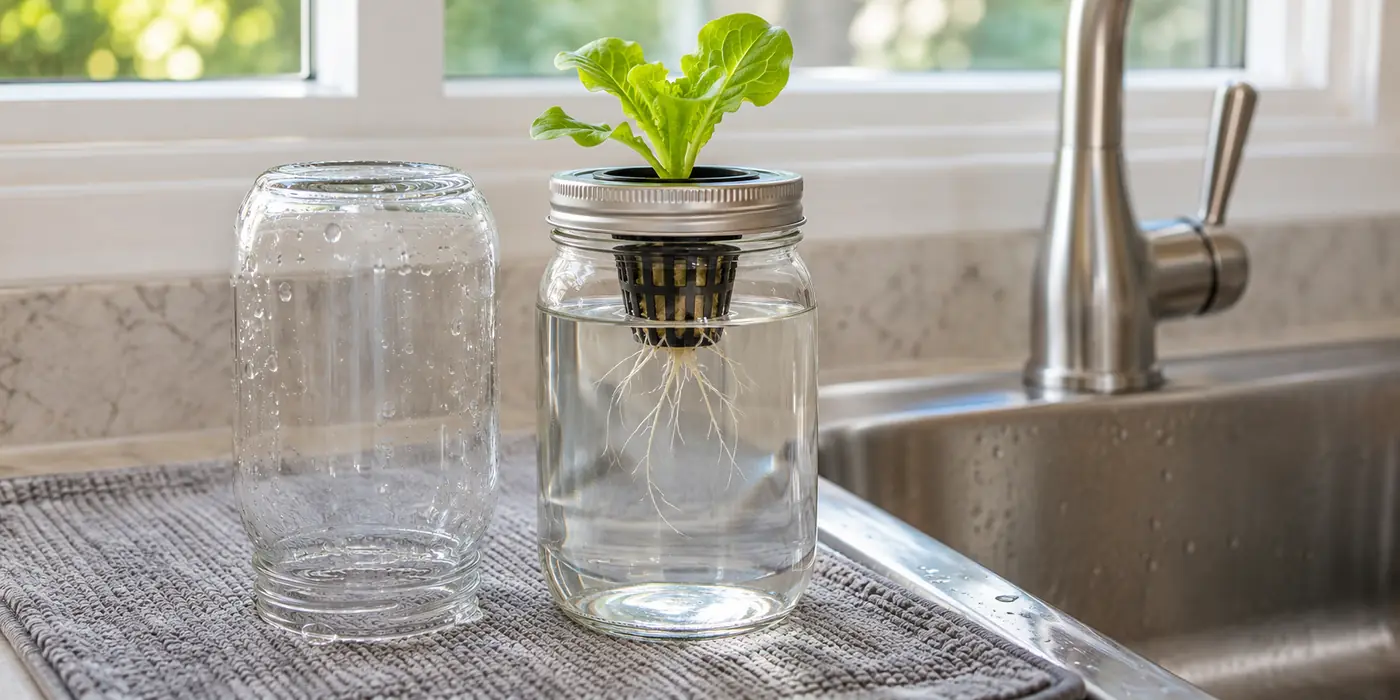
When to Replace Kratky Solution Completely
Dr. Kratky's rule for draining tanks, why leftover solution changes, and when to start fresh mid-crop.
Read the article: When to Replace Kratky Solution Completely
Articles on mixing and maintaining nutrient solution for Kratky hydroponics. Each one answers a single question and links to the guide that covers the topic in full.
Dr. Kratky's rule for draining tanks, why leftover solution changes, and when to start fresh mid-crop.
Read the article: When to Replace Kratky Solution Completely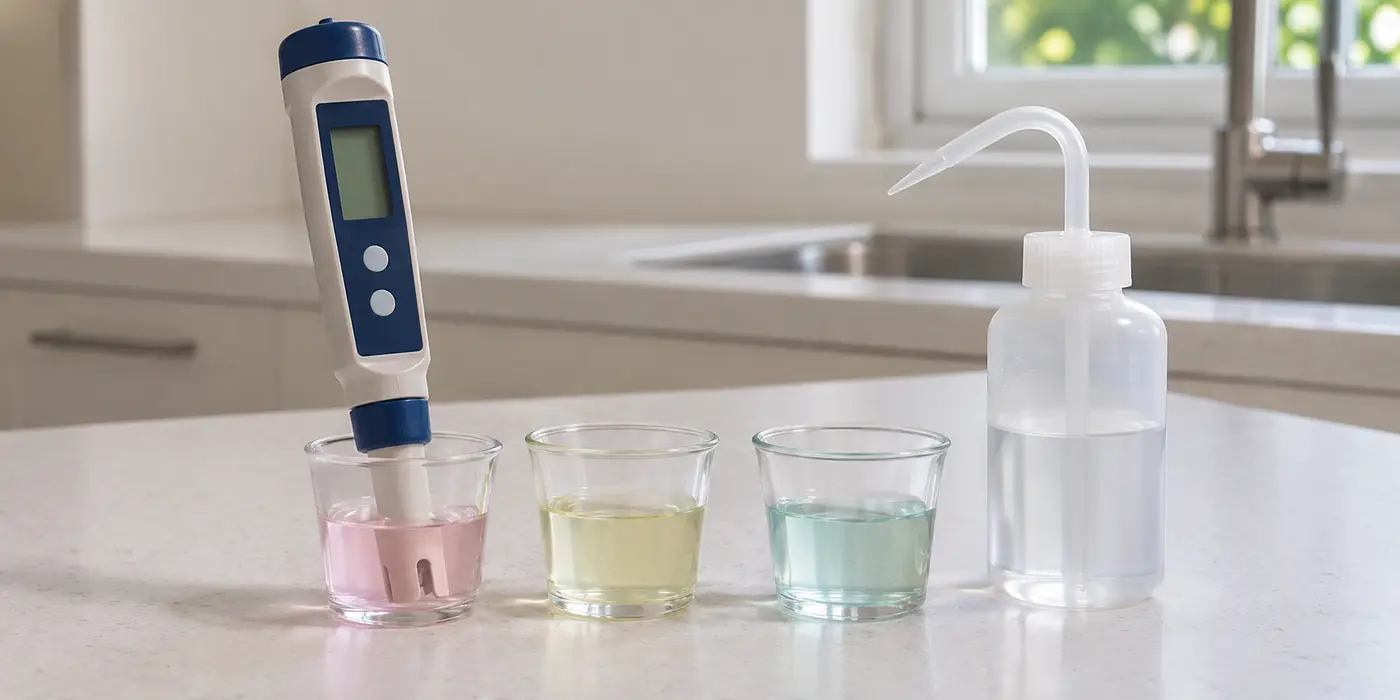
Two-point calibration, temperature compensation, a moist probe cap and a replaceable probe: what to look for in a pH meter.
Read the article: How to Choose a pH Meter for Hydroponics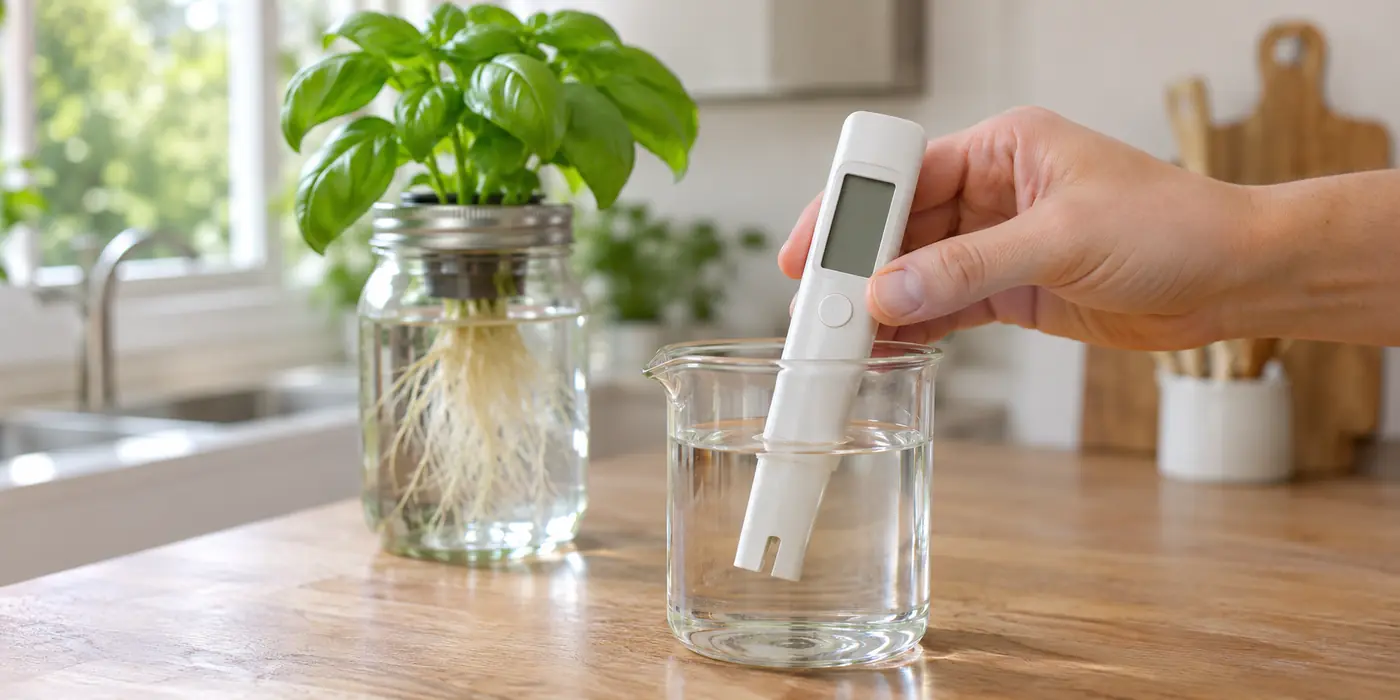
The five features that matter in an EC or TDS meter for Kratky solutions, and the ones you can skip.
Read the article: How to Choose an EC or TDS Meter for Hydroponics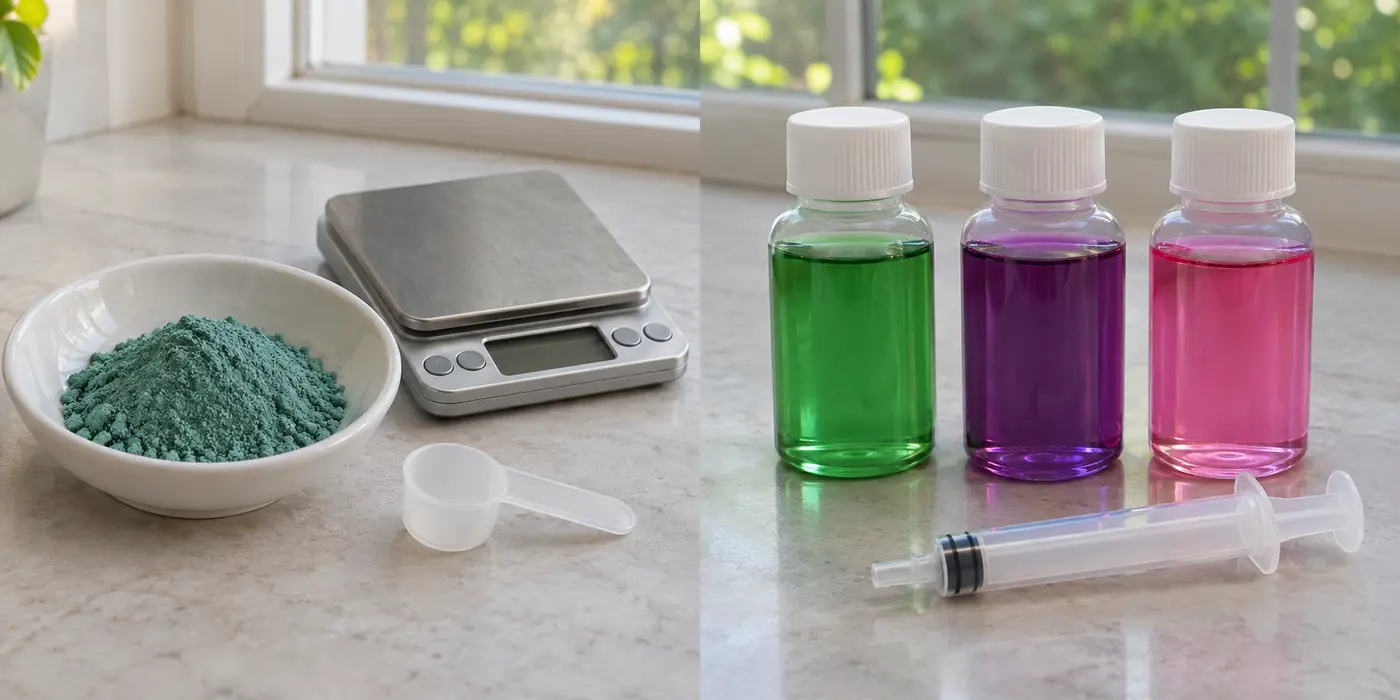
Dry powders weighed in grams against liquids measured in milliliters: parts, mixing order and how to work out cost per gallon.
Read the article: MasterBlend vs General Hydroponics Flora for Kratky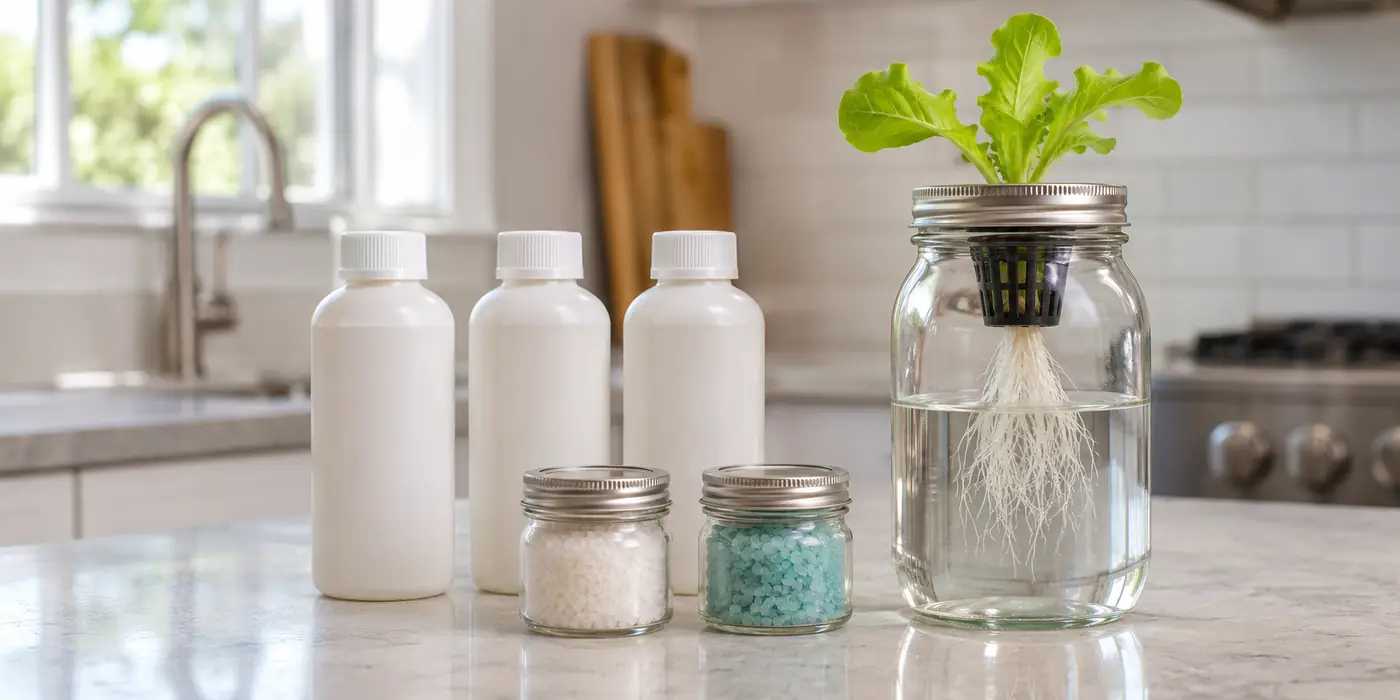
Four kinds of nutrient that suit a fill-once Kratky container, from three-part powders to a single complete fertilizer.
Read the article: Best Nutrients for the Kratky Method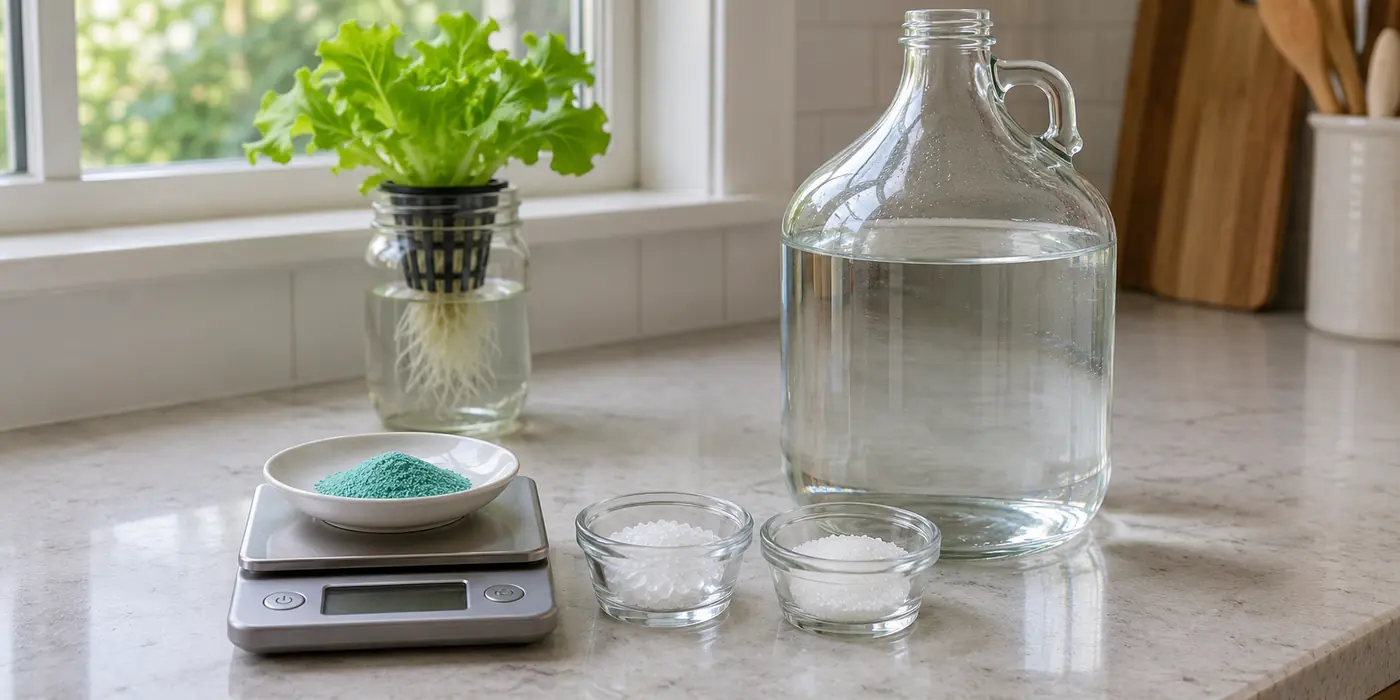
Masterblend's own per-gallon rates for 4-18-38, Epsom salt and calcium nitrate, scaled down to quart and half-gallon jars.
Read the article: MasterBlend Recipe for Kratky (Per Gallon and Per Jar)
Which products raise pH in Kratky nutrient solution, how to add them in small steps, and why low pH usually starts with an overcorrection.
Read the article: How to Raise pH in Kratky Nutrient Solution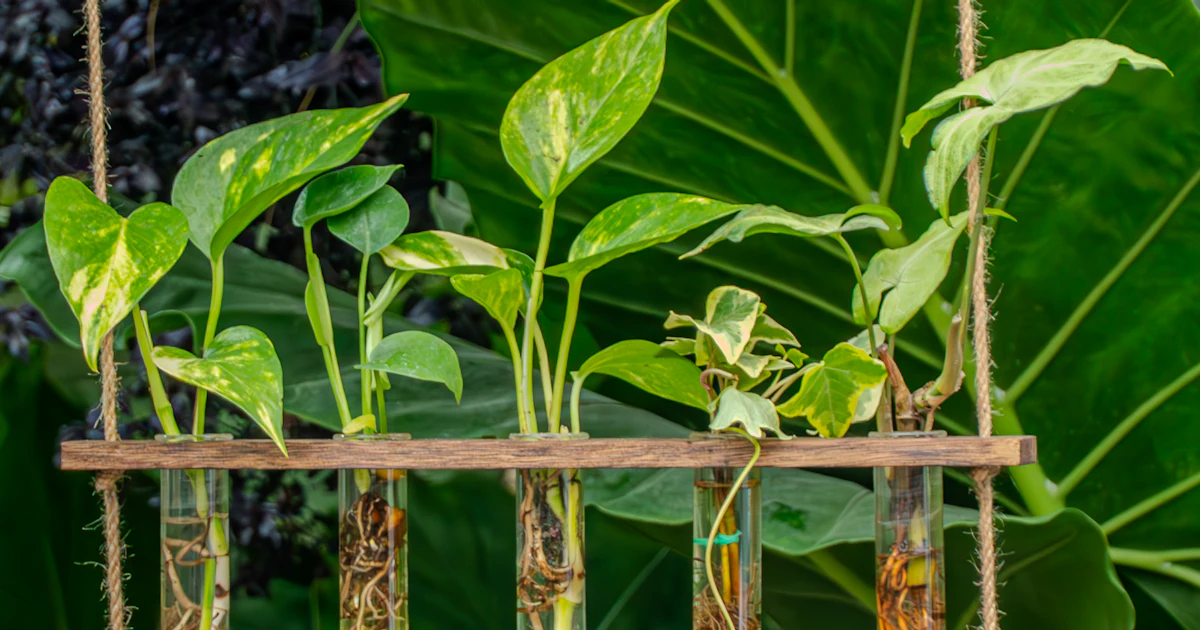
What cloudiness, a sour smell or slime in a Kratky container usually mean, how to tell the causes apart, and when to start again.
Read the article: Why Is My Kratky Solution Cloudy or Smelly?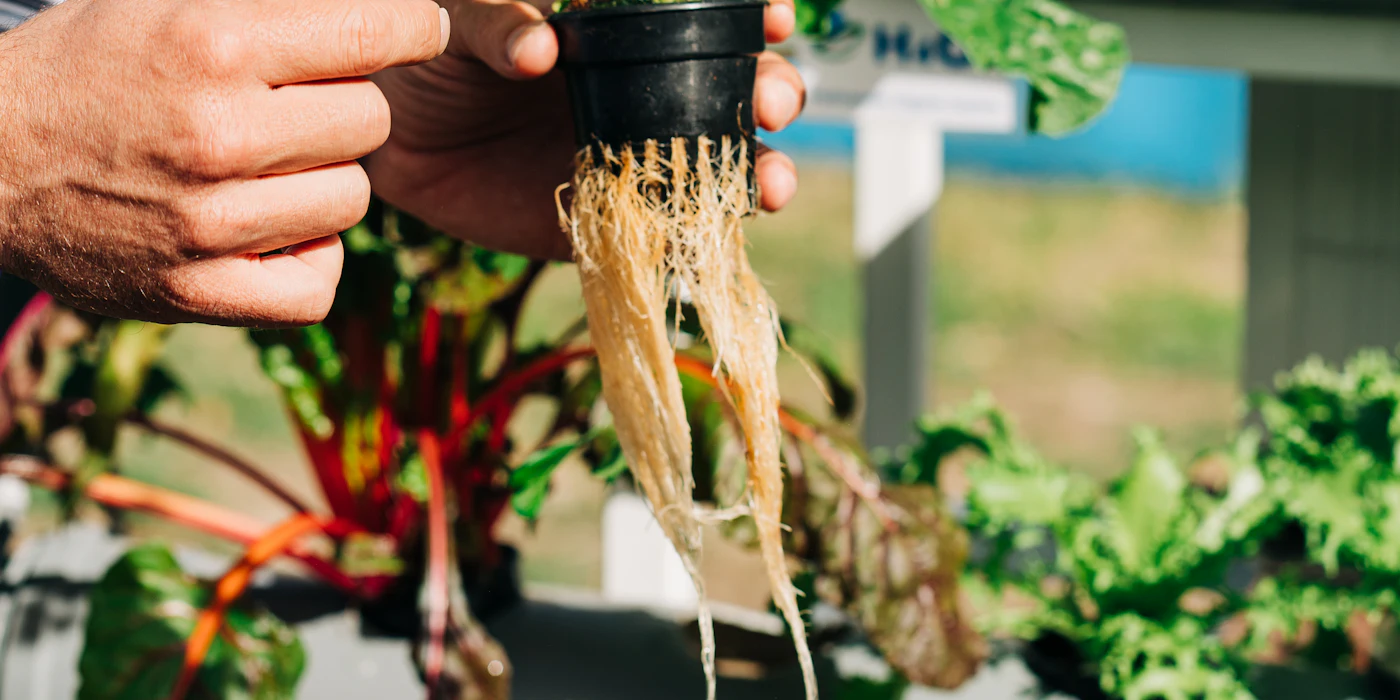
How to recognize root rot in a Kratky container, why warm water and a lost air gap cause it, and what to do once it starts.
Read the article: Root Rot in Kratky: Signs, Causes and What to Do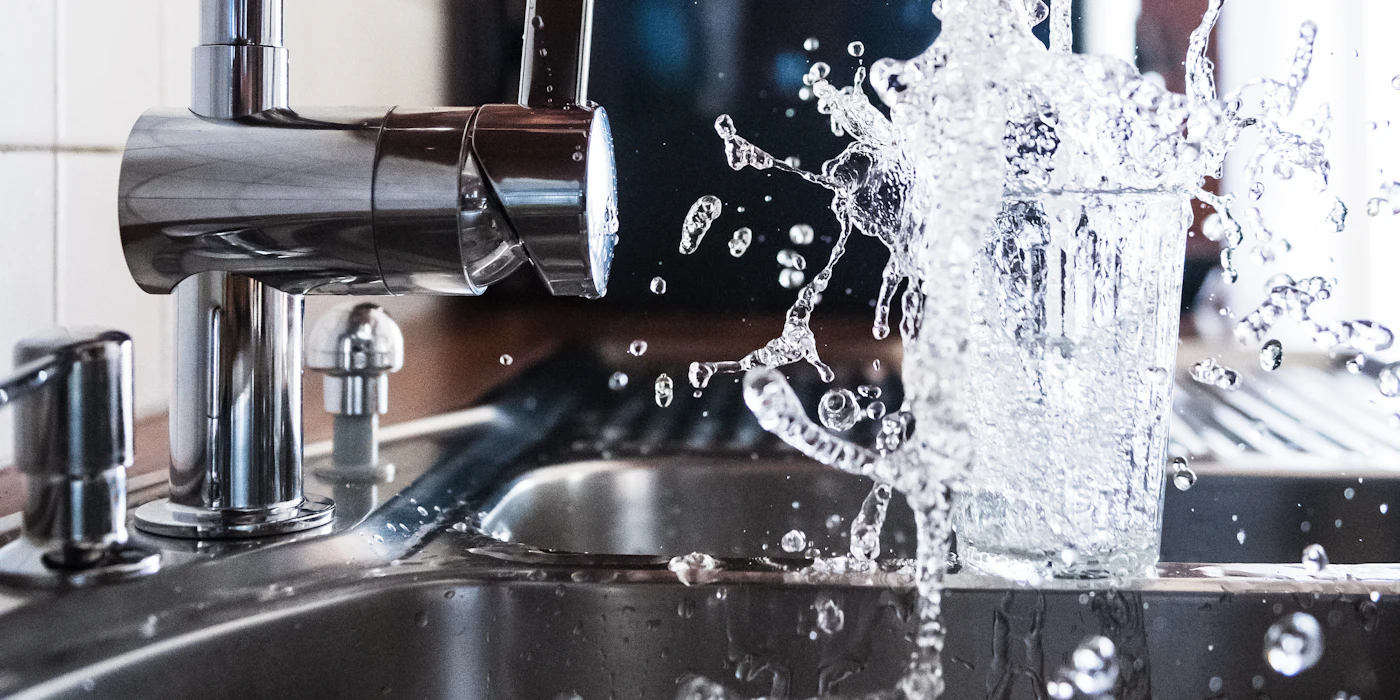
What tap, distilled and reverse osmosis water each bring to a Kratky solution, and how to decide which one to use.
Read the article: Distilled, RO or Tap Water for Kratky?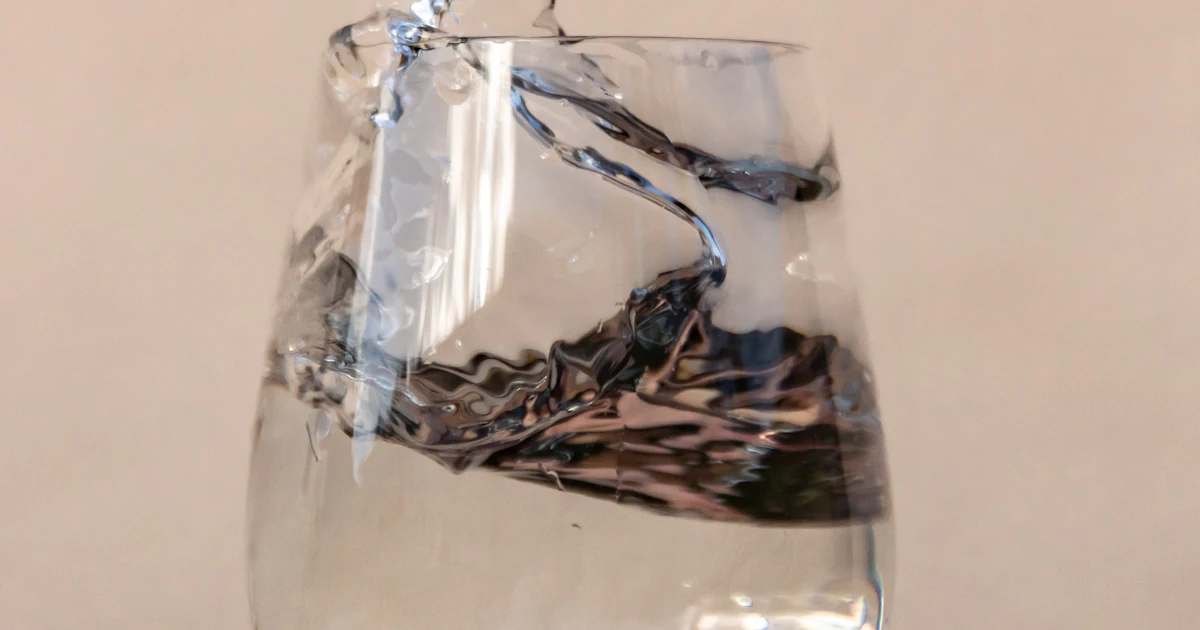
Whether roof-collected rainwater suits Kratky containers: what studies found in rain barrels, and which crops it is and is not a good fit for.
Read the article: Can You Use Rainwater for Kratky?
The recommended temperature range for Kratky nutrient solution, why warm containers lead to root problems, and simple ways to keep them cool.
Read the article: What Temperature Should Kratky Nutrient Solution Be?Comparing pH test strips, liquid drop kits and digital pH meters for Kratky nutrient solution: accuracy, cost, upkeep and which suits which grower.
Read the article: pH Strips, Drops or a Meter: Which Should You Use?
Whether an EC or TDS meter is necessary for Kratky hydroponics, what you can do without one, and why a meter makes problems much easier to solve.
Read the article: Do You Need an EC Meter for Kratky Growing?
Why algae grows in Kratky containers, why it is a problem for roots and pH, and simple ways to lightproof jars, buckets and totes to stop it.
Read the article: How to Prevent Algae in a Kratky Container
The common reasons Kratky plants turn yellow, how to tell them apart by which leaves are affected, and what to measure before changing the solution.
Read the article: Why Are the Leaves on My Kratky Plant Turning Yellow?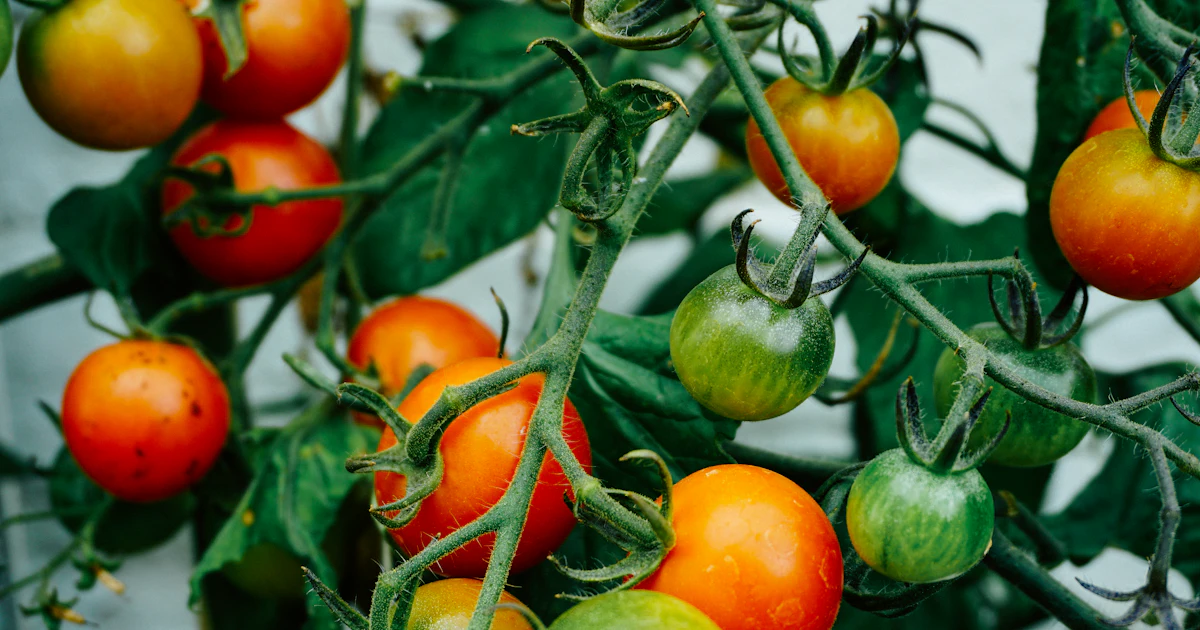
Whether tomatoes can be grown with the Kratky method, the stronger solution they need, how much water they use, and how to top up without drowning roots.
Read the article: Can You Grow Tomatoes With the Kratky Method?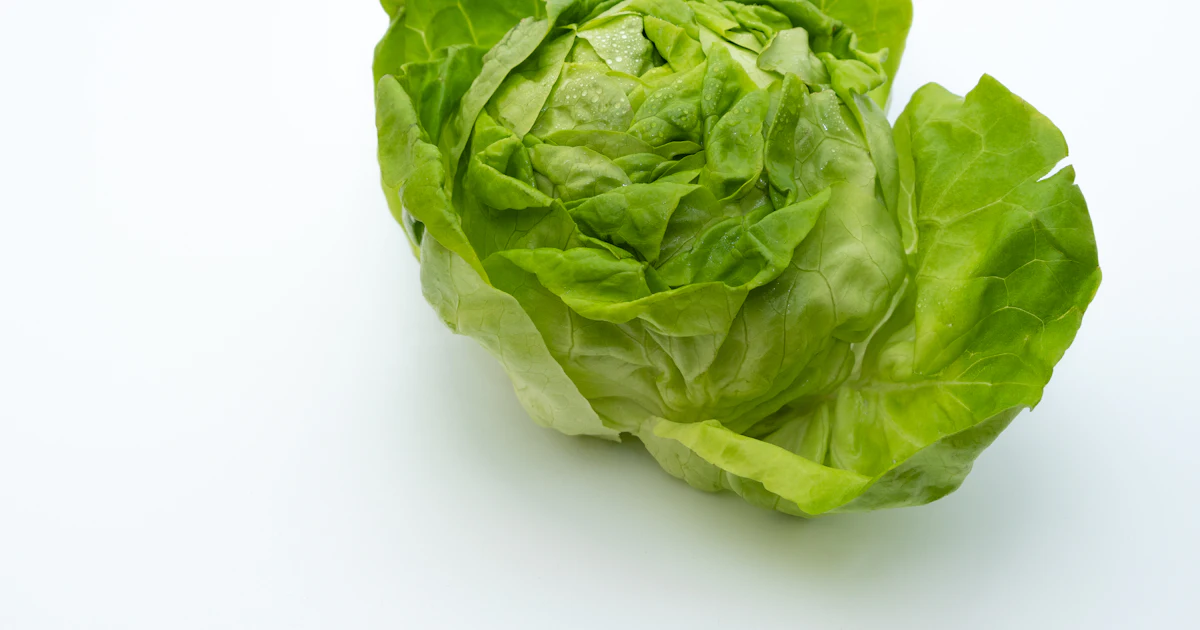
The EC and pH ranges published for hydroponic lettuce, what UF/IFAS suggests for Kratky lettuce, how much solution to plan and signs the mix is off.
Read the article: Kratky Nutrient Solution for Lettuce: Strength and pH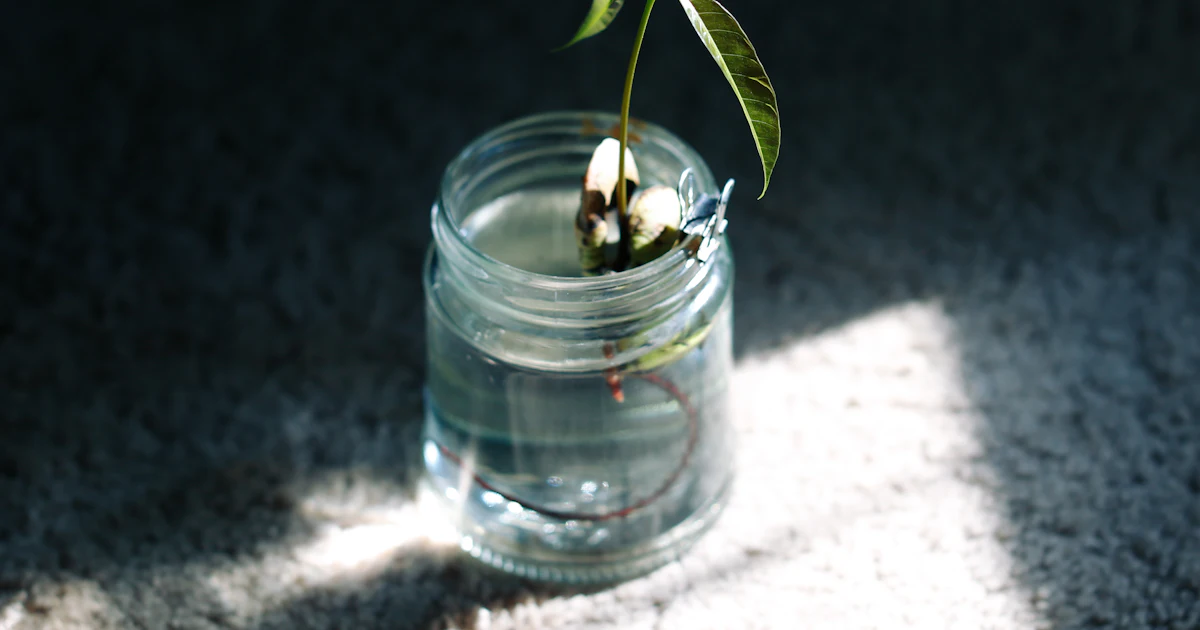
How much nutrient solution to plan per Kratky plant, from about 1 to 1.5 gallons for lettuce to far more for fruiting crops, and how to size containers.
Read the article: How Much Nutrient Solution Does a Kratky Plant Need?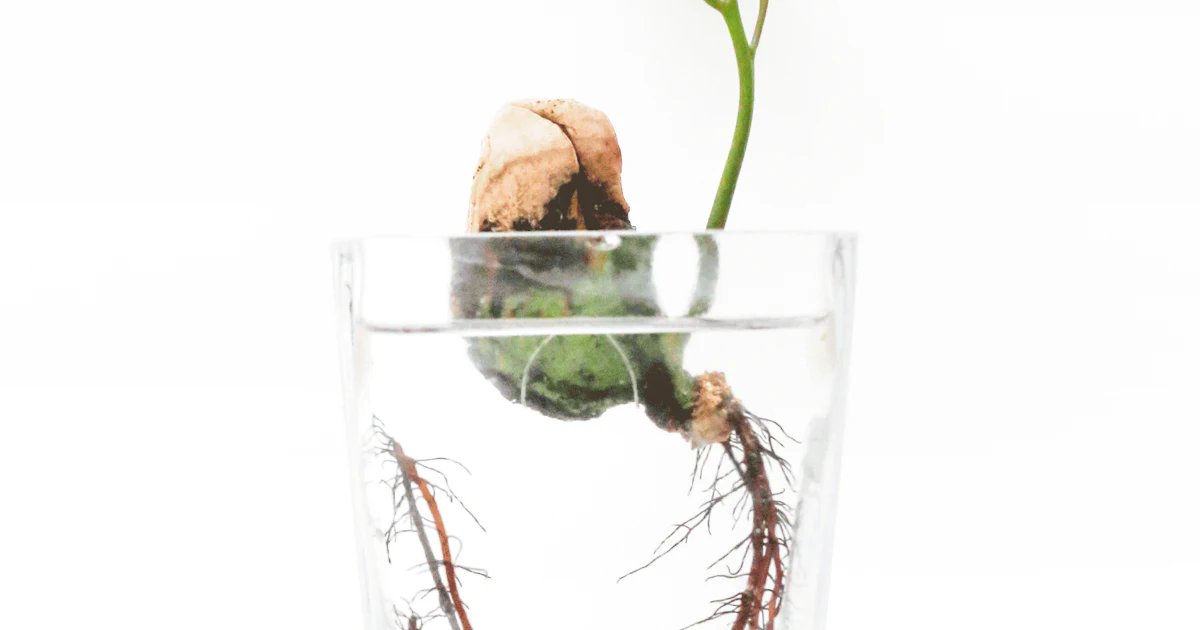
What air roots are in a Kratky container, how they form as the solution level drops, why they matter for oxygen, and how to avoid drowning them.
Read the article: What Are Air Roots in the Kratky Method?
The main reasons pH creeps up in Kratky nutrient solution over a crop: nitrate uptake by roots and alkaline tap water. When it matters and what to do.
Read the article: Why Does pH Rise in a Kratky Container?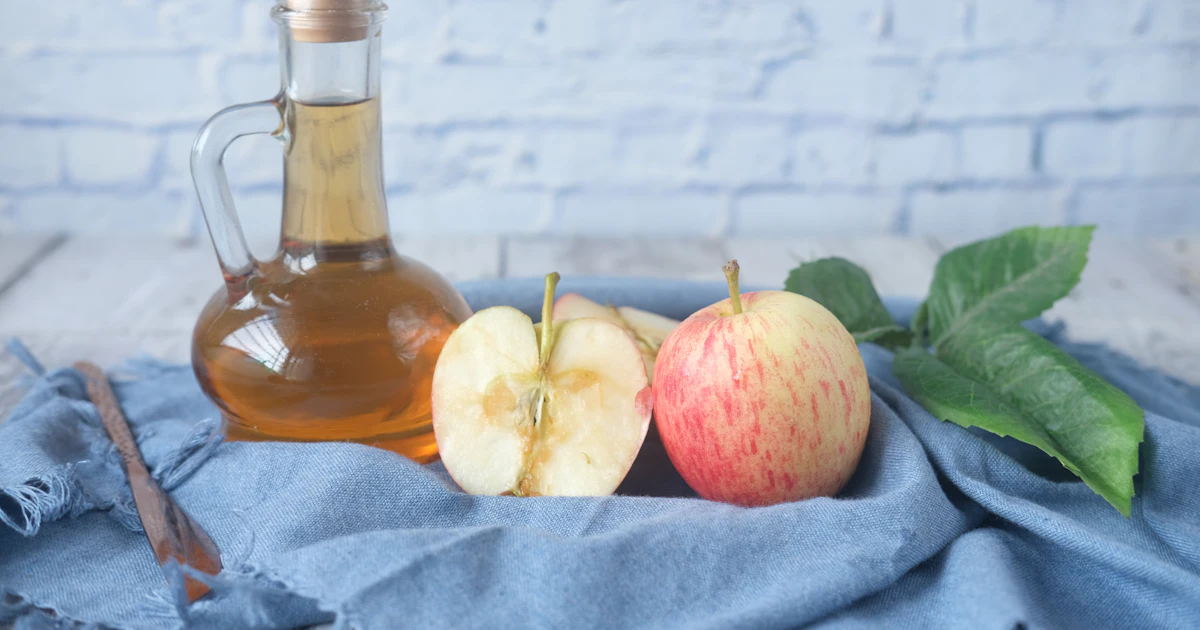
How to bring Kratky nutrient solution pH down with white vinegar, citric acid or pH down products, how much to start with, and how to avoid overshooting.
Read the article: How to Lower pH With Vinegar or Citric Acid
Step-by-step calibration for EC and TDS meters used with Kratky nutrient solution: which standard to use, how often, and how to keep the probe accurate.
Read the article: How to Calibrate an EC or TDS Meter
How to convert EC in mS/cm to PPM on the 500 and 700 scales, a quick conversion chart, and how to work out which scale your own meter uses.
Read the article: How to Convert EC to PPM (500 and 700 Scales)How to scale a per-gallon nutrient rate down to quart and pint mason jars, with conversions, a worked example and why mixing a gallon first is easier.
Read the article: How to Measure Small Nutrient Doses for Mason Jars
How hard tap water changes the strength and pH of Kratky nutrient solution, what levels to watch for, and practical ways to work with hard water.
Read the article: How Does Hard Water Affect Kratky Nutrient Solution?Whether chlorine or chloramine in tap water harms Kratky plants, how to tell which your water contains, and simple ways to remove each one.
Read the article: Do You Need to Dechlorinate Tap Water for Kratky?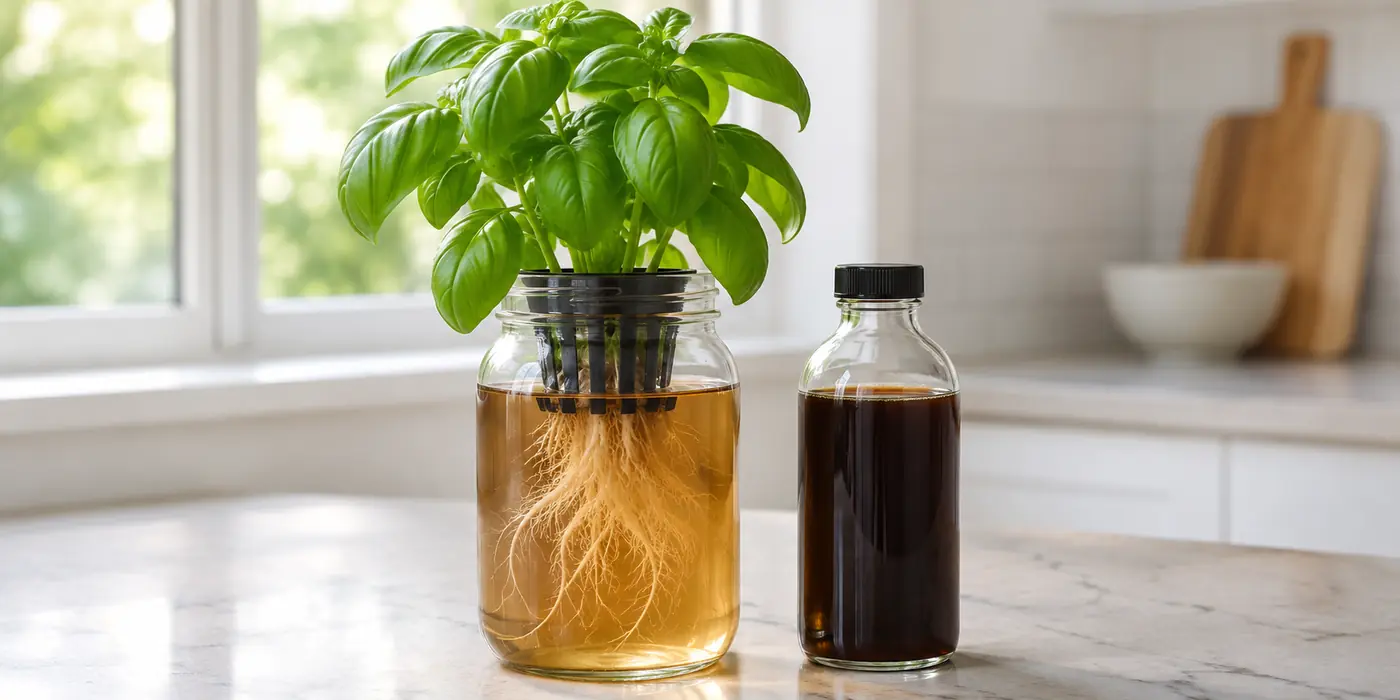
Whether organic fertilizers work in a still Kratky container, the problems they cause with oxygen, odor and slime, and what to consider before trying one.
Read the article: Can You Use Organic Fertilizer in a Kratky System?
Two-part hydroponic nutrients keep calcium apart from phosphates and sulfates, which react in concentrated form. How to use them correctly in Kratky.
Read the article: Why Do Two-Part Hydroponic Nutrients Come in Separate Bottles?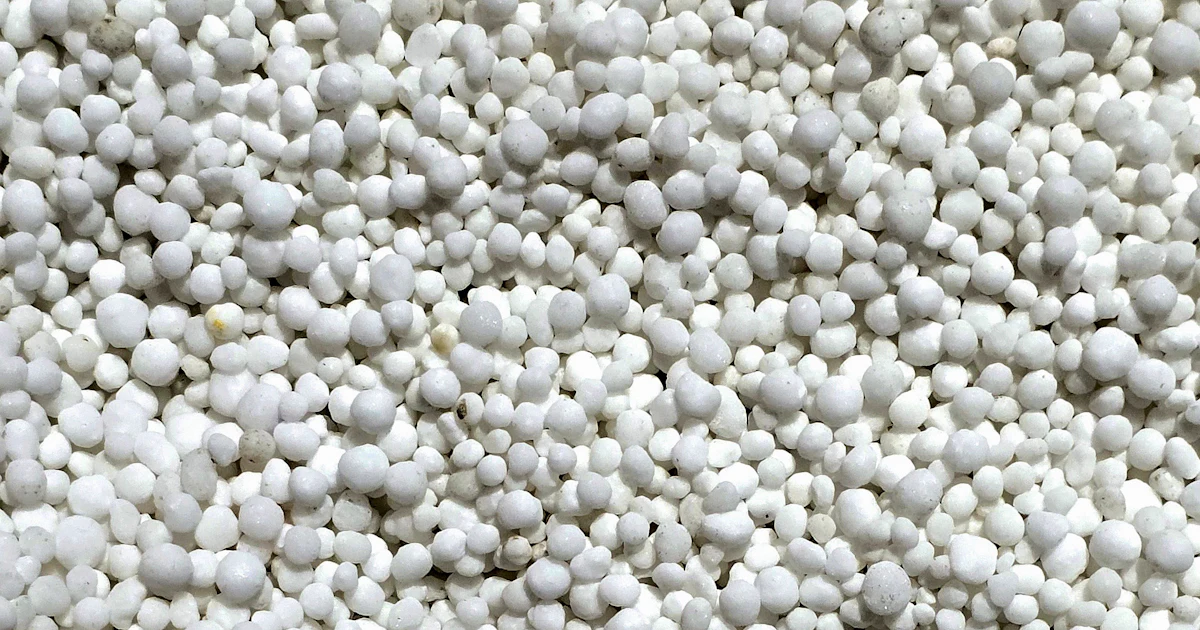
The three numbers on a nutrient label are nitrogen, phosphate and potash. What they measure, and why actual phosphorus and potassium are lower.
Read the article: What Do the Three Numbers on a Hydroponic Nutrient Label Mean?Why a hydroponic nutrient works in a Kratky container when ordinary garden fertilizer usually does not: completeness, nitrogen form and solubility.
Read the article: Hydroponic Nutrients vs Regular Fertilizer: What Is the Difference?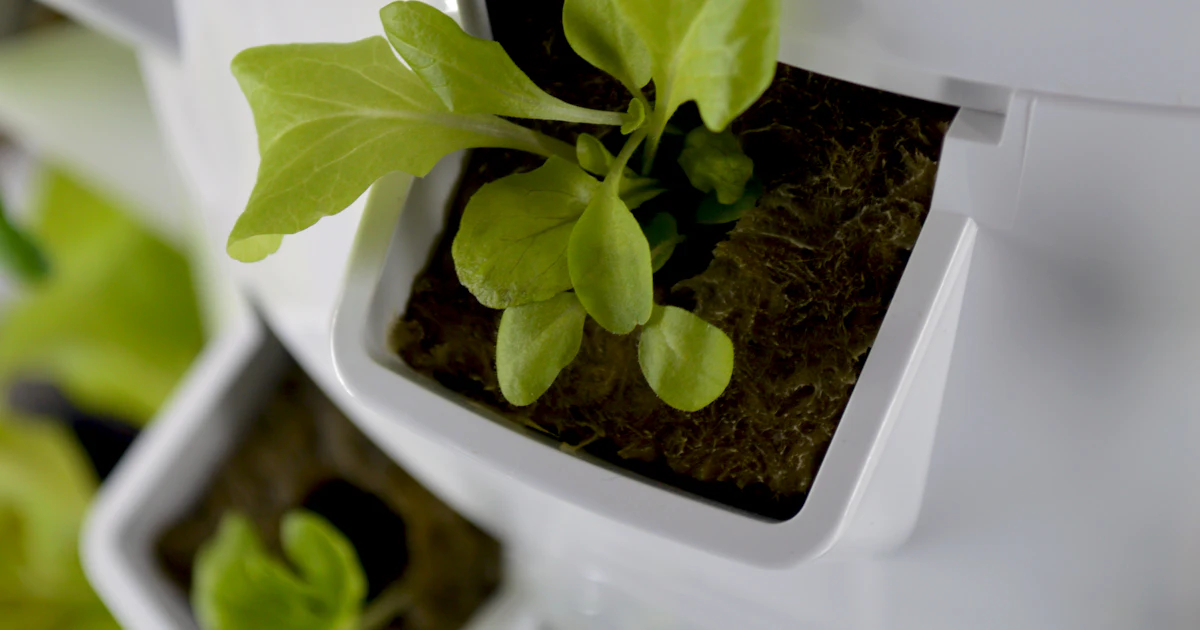
Common mistakes when mixing Kratky nutrient solution, from wrong strength and pH to refilling the container to the top, and how to avoid each one.
Read the article: 10 Common Mistakes to Avoid When Preparing Kratky Nutrient Solution