Kratky Nutrient Solution Problems and Fixes
Most problems in a Kratky container trace back to the solution: its strength, its pH, or conditions in the container. Measure before you change anything, because many symptoms look alike.
Check these first
- EC of the solution, compared with your target
- pH of the solution
- Solution level, and whether the air roots are dry
- Root color: healthy roots are white or cream and firm
Older leaves turning yellow
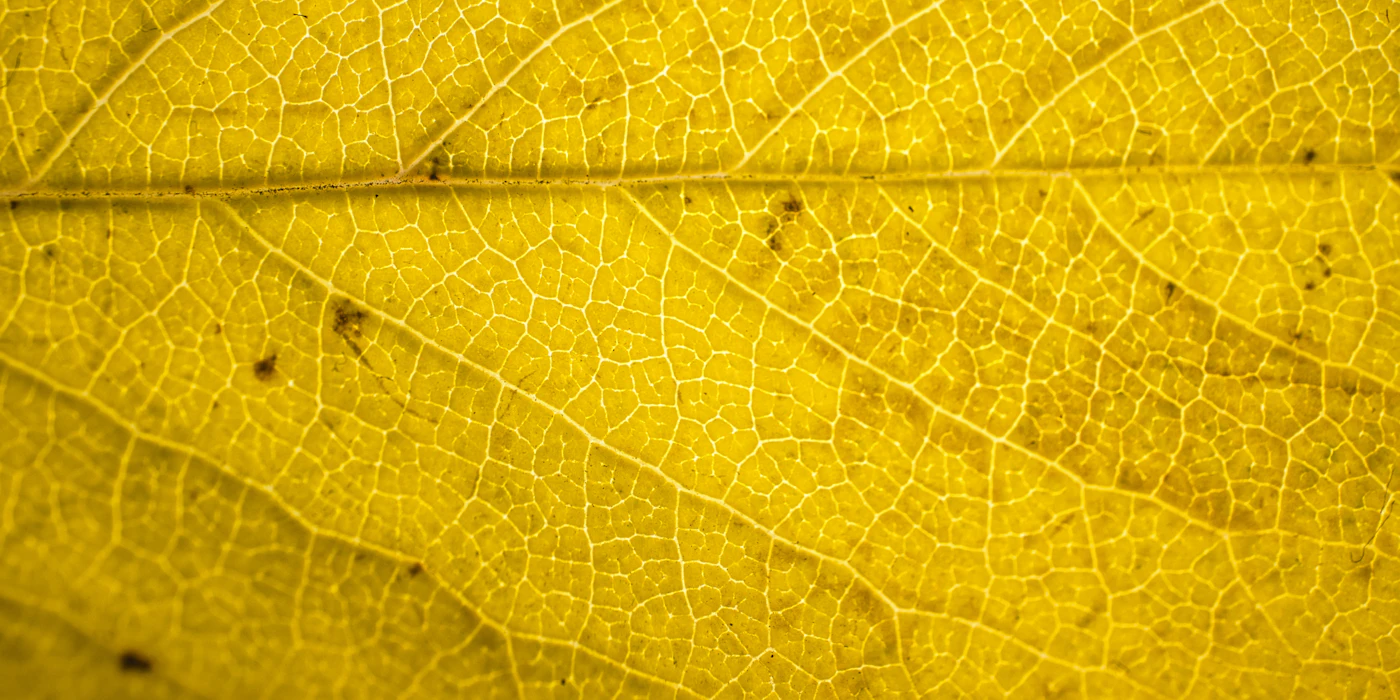
Nutrients that move within the plant, such as nitrogen and magnesium, show shortages on older leaves first (Greenhouse Grower, with Neil Mattson). Even yellowing of older leaves often means nitrogen is running low or the solution is too weak. Yellowing between the veins of older leaves points to magnesium.
New leaves pale between the veins
Nutrients that do not move within the plant, such as iron and calcium, affect new growth. Pale new leaves with green veins usually point to iron, and iron shortage is often caused by pH running too high (Greenhouse Grower, with Neil Mattson). Check and correct pH before adding more nutrient.
Brown or burnt leaf edges
In lettuce, browning on the inner, youngest leaves (tipburn) is linked to calcium not reaching fast-growing leaves. Browning on the outer leaf edges is more often caused by a solution that is too strong (UMass Extension). Check EC; if it is high, dilute or top up with plain water.
Wilting with brown, slimy roots
This is root rot. Common causes are warm solution, air roots kept underwater after refilling to the top, and light reaching the solution. Remove badly affected plants, clean the container and start with fresh solution. Keep containers cool and lightproof, and keep the air gap.
Green film or algae
Algae need light. If it grows in your container, light is getting in through the walls, lid or net cup holes. Wrap or paint the container, or use an opaque one. Kratky's own trials used darkened containers (Kratky, 2009).
White crust on the cup or container
As water evaporates it leaves mineral salts behind. A little crust is harmless. Heavy crusting on the growing medium can stress young plants; keep the medium from drying out at the surface.
Smelly or cloudy solution
A sour or rotten smell, cloudiness or slime means bacteria are growing, often on decaying roots or organic material. Start over with a clean container and fresh solution.
Slow growth with no obvious symptoms
Measure EC and pH. If both are in range, look beyond the solution: light, temperature and container size are the usual suspects.
Sources
- Greenhouse Grower, with Neil Mattson (Cornell University). Tips to Avoid Nutrient Issues in Greenhouse Lettuce.
- UMass Extension Greenhouse Crops and Floriculture. Hydroponic lettuce tipburn.
- Kratky, B.A. (2009). Three non-circulating hydroponic methods for growing lettuce. Acta Horticulturae 843: 65–72.
