
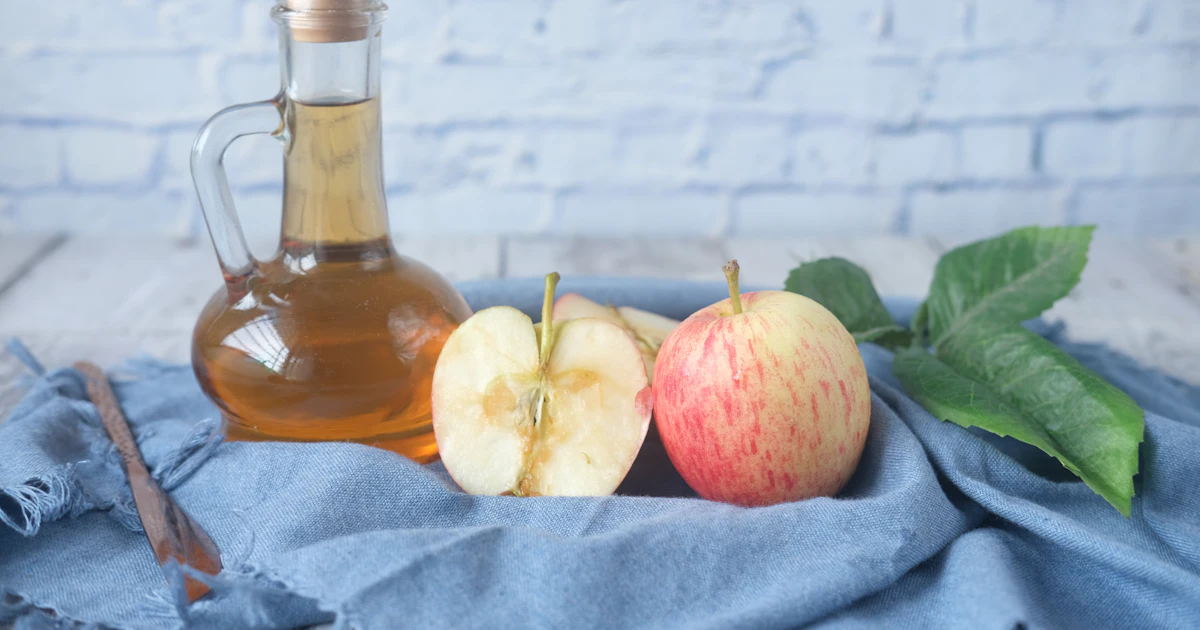
Short answer: add a small amount, stir, wait a few minutes and test again, repeating until pH reaches about 5.5 to 6.0. UF/IFAS notes that white vinegar typically takes around 2 teaspoons per gallon, depending on the water.
Your options
- White distilled vinegar. Cheap and easy to find. It is a weak acid, so you need more of it than of a commercial product.
- Citric acid. Sold as a powder for canning. Dissolve a little in water first, then add the liquid gradually.
- pH down products. Usually phosphoric acid. Strong and consistent, so a few drops go a long way.
Oklahoma State University Extension lists phosphoric acid, citric acid and vinegar as options for lowering nutrient solution pH.
Step by step
- Mix the nutrient and set the strength first. Nutrient itself changes pH.
- Test pH and note how far it is from your target.
- Add a small dose of acid, about a quarter of what you think you need.
- Stir well and wait several minutes.
- Test again and repeat until you reach the range.
Avoid overshooting
Water with low alkalinity, such as distilled or reverse osmosis water, can drop sharply with a tiny amount of acid. Go slowly. If you overshoot, a pH up product brings it back, but it is easier not to need it.
Safety
Commercial pH down is a concentrated acid. Wear gloves and eye protection, add acid to water rather than water to acid, and store it away from children and pets.
How long it lasts
pH can drift after adjustment, especially with hard water. Recheck a few hours after mixing and again before planting.
Related guide: pH for Kratky nutrient solution.
Which acid I reach for
For regular mixing I use a pH down product, because it is consistent and a few drops go a long way. Vinegar and citric acid are what I use when I have run out, or for a single jar where a bottle of pH down feels like overkill. All three work; Oklahoma State University Extension lists phosphoric acid, citric acid and vinegar as options for lowering nutrient solution pH. The main difference is strength, which decides how much you add and how fast pH moves.
A worked example with vinegar
Say I have mixed a gallon of solution and it reads pH 7.2. My target is about 5.8. UF/IFAS notes that white vinegar typically takes around 2 teaspoons per gallon, depending on the water. I start with half a teaspoon, stir well, wait five minutes and test. If it reads 6.8, I add another half teaspoon and repeat. Usually it takes three or four rounds. With soft or distilled water I start with even less, because pure water has very little alkalinity to resist the change.
Using citric acid powder
Citric acid is much stronger than vinegar, so I never add the powder directly to the solution. I dissolve a small pinch in a cup of water first and add that liquid a little at a time. It keeps for a long time as a dry powder, which makes it handy to have in the cupboard.
Why pH climbs back
If the pH rises again within a day, the usual reason is alkalinity in the water. Bicarbonate in hard water keeps neutralizing the acid you add, and Oklahoma State University Extension notes that water with alkalinity above about 75 ppm needs its pH checked more often. A second, smaller adjustment the next day normally holds. If it keeps happening, blending the water as described in how hard water affects Kratky nutrient solution helps more than adding more acid.
Adjusting an established container
Once a plant is growing, I am more careful. I dilute the acid in a little solution or water first, pour it down the side of the container away from the roots, and add only a small amount. I never raise the level to the net cup to make room. UF/IFAS notes that a well-mixed Kratky container rarely needs ongoing adjustment, so if I find myself doing it often, I look for a cause, such as the gradual rise described in why does pH rise in a Kratky container.
Testing as you go
Every adjustment depends on a reliable reading. If you are choosing how to test, pH strips, drops or a meter compares the options, and the pH guide covers targets for different crops.
Quick questions
Can I use lemon juice?
It does lower pH, because it contains citric acid, but its strength varies and it adds organic material to the solution. Plain citric acid powder or white vinegar is more predictable.
Sources
- University of Florida IFAS Extension. Set It and Forget It Hydroponics (HS1488).
- Dunn, B. and Singh, H. Oklahoma State University Extension. Electrical Conductivity and pH Guide for Hydroponics (HLA-6722).